



Security is a significant consideration for any industrial site. Whether you’re managing a manufacturing facility, warehouse, distribution centre or storage yard, protecting the premises from unauthorised access is essential for safeguarding equipment, stock, employees and day-to-day operations.
Industrial sites can be particularly vulnerable because of their size, layout and the value of the materials stored on-site. Large perimeters, multiple access points and areas that are unoccupied outside working hours can all create opportunities for trespass, theft and vandalism.
Anti-climb fencing provides a practical way to strengthen perimeter security, making unauthorised entry more difficult while creating a clear physical boundary around the site.
What Is Anti-Climb Fencing?
Anti-climb fencing is a type of security fencing designed to make it difficult for someone to gain a foothold or handhold and climb over a perimeter.
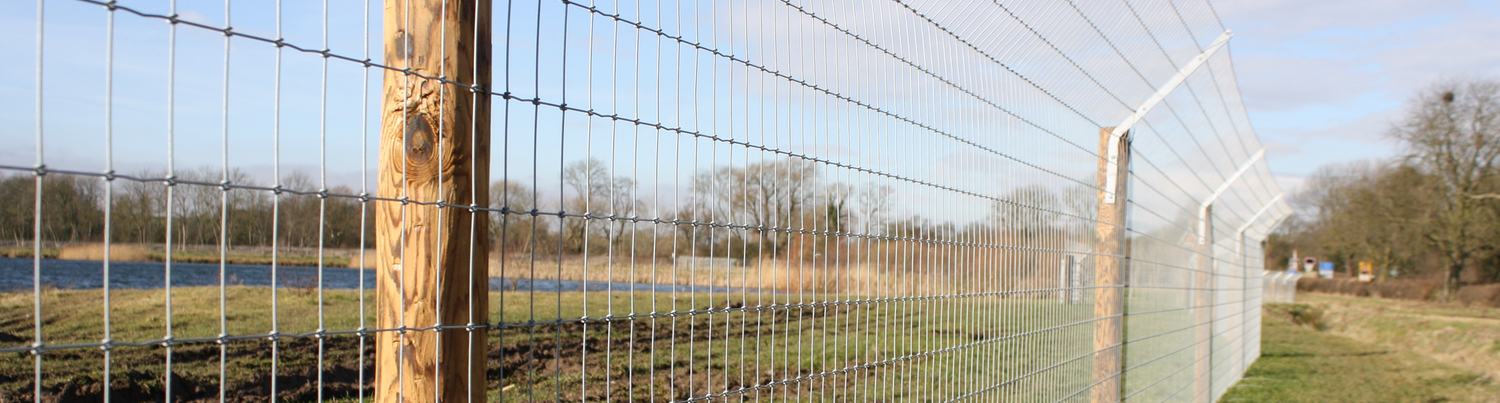
Unlike traditional fencing systems with larger gaps or horizontal rails, anti-climb fencing typically incorporates closely spaced mesh apertures that are difficult to grip or use as climbing points.
One commonly used configuration is 358 mesh fencing, named after its approximate imperial mesh dimensions of 3 inches by 0.5 inches and 8-gauge wire. Its closely spaced mesh makes it difficult to climb and can also make it harder to cut using some commonly available hand tools.
Anti-climb fencing is often used around industrial premises, utilities, transport infrastructure, storage facilities and other locations where controlling access is particularly important.

Why Industrial Sites Need Effective Perimeter Security
Industrial environments face security challenges that differ from those of many commercial premises. Large outdoor storage areas, expensive machinery, valuable materials and frequent vehicle movements can make it difficult to maintain visibility and control across an entire site.
A poorly secured perimeter may allow unauthorised individuals to enter without passing through monitored entrances. This can increase the risk of theft and vandalism, but it can also create serious safety concerns where heavy machinery, hazardous materials or operational equipment are present.
A well-designed fencing system helps address these risks by establishing a more secure boundary and directing visitors, employees and deliveries towards designated access points.
-
Making Unauthorised Access More Difficult
The primary advantage of anti-climb fencing is its ability to create a physical barrier that is difficult to scale.
Closely spaced mesh reduces the opportunities for footholds and handholds, while appropriate fence height, secure fixings and robust posts can further strengthen the perimeter.
Although no fencing system can guarantee that a determined intruder will be prevented from entering, anti-climb designs can increase the time and effort required to gain access. This may discourage opportunistic trespassing and provide additional time for security personnel or monitoring systems to respond.
-
Helping Protect Valuable Equipment and Materials
Industrial sites often contain assets that are expensive to replace and essential to everyday operations.
Machinery, tools, raw materials, finished products and vehicles may all be attractive targets for theft, particularly when stored outdoors or in areas with limited supervision.
Anti-climb fencing helps establish a controlled perimeter around these assets, reducing opportunities for casual intrusion. It can also be used to create secure compounds within larger premises, separating high-value storage areas from general operational spaces.
For businesses, preventing a security incident is about more than avoiding the immediate cost of stolen property. Theft or damage can also result in downtime, delayed deliveries, replacement costs and disruption to customers.
-
Improving Safety Around Industrial Operations
Perimeter security is not solely about protecting property. It also plays an important role in helping keep people safe.
Industrial premises may contain moving vehicles, loading equipment, electrical installations, hazardous substances or machinery that presents risks to anyone unfamiliar with the environment.
By discouraging unauthorised entry and clearly defining restricted areas, anti-climb fencing can help reduce the likelihood of people accessing potentially dangerous parts of a site.
Internal security fencing can also be useful for separating operational zones, controlling pedestrian access and protecting sensitive equipment.
-
Supporting CCTV and Wider Security Measures
Anti-climb fencing is most effective when considered as part of a wider site security strategy.
Mesh fencing can provide visibility through the perimeter, allowing security teams and CCTV cameras to monitor activity on either side of the boundary.
This can be particularly useful for large industrial sites where maintaining clear sightlines is important.
Combining secure fencing with suitable lighting, CCTV, access control systems and regular security inspections can create a more comprehensive approach to site protection.
The position of gates, cameras and lighting should be considered alongside the fencing design to avoid creating unnecessary blind spots or vulnerable access points.
-
Providing a Durable, Long-Term Security Solution
Industrial fencing needs to withstand more than potential intrusion. It must also cope with everyday exposure to the elements, vehicle movements and the demands of a working environment.
Steel mesh fencing systems are commonly supplied with protective finishes such as galvanising or powder coating, helping improve resistance to corrosion and weathering.
The most appropriate specification will depend on the site environment, expected service life and maintenance requirements.
Choosing a suitable system from the outset can help reduce the need for frequent repairs or replacement, while regular inspections will help identify damaged panels, loose fixings or other potential weaknesses.

Choosing the Right Anti-Climb Fencing for Your Industrial Site
Not every industrial site has the same security requirements. A small storage compound may need a different fencing solution from a large manufacturing facility or distribution centre with extensive boundaries and multiple access points.
When planning an anti-climb fencing installation, several factors should be considered:
- Site layout and perimeter length: Understanding the boundaries, ground conditions and potential access points helps determine the most appropriate fencing arrangement.
- Security requirements: The level of protection needed should reflect the site’s assets, location and identified risks.
- Fence height and mesh specification: Different configurations offer varying levels of climb resistance, visibility and physical protection.
- Gates and access control: Vehicle and pedestrian entrances should provide a level of security appropriate to the surrounding fence.
- Installation and maintenance: Secure foundations, correctly installed posts and regular inspections are essential to maintaining the effectiveness of the system.
For higher-risk environments, it may also be necessary to consider independently tested security-rated fencing systems. Anti-climb characteristics alone do not mean a fence has been certified to withstand a particular level of attack.
Taking the time to assess these requirements can help businesses invest in a perimeter solution that is appropriate for both their security needs and everyday operations.
Anti-Climb Fencing as Part of a Long-Term Security Strategy
An effective industrial security strategy begins with understanding where a site is most vulnerable.
Perimeter fencing is often the first physical barrier encountered by someone attempting to enter without permission, but it should not be treated as a standalone solution.
Regular risk assessments, clear access procedures, appropriate surveillance and ongoing maintenance all contribute to keeping industrial premises secure.
Anti-climb fencing can play an important role within this approach, helping businesses protect valuable assets, manage access and maintain safer working environments.
Protecting Your Industrial Premises
Investing in appropriate perimeter fencing is a practical step towards improving industrial site security.
From warehouses and manufacturing facilities to outdoor storage yards and distribution centres, anti-climb fencing can help deter unauthorised access, protect valuable equipment and create a more controlled environment.
The key is selecting a system that suits the site, the level of risk and the way the premises operate.
For businesses reviewing their existing perimeter security or planning a new industrial development, understanding the available fencing options is an important starting point.
Improve Your Industrial Site Security with Corden Perimeter Systems
Every industrial site has different security requirements, and choosing the right fencing solution can make a significant difference to how effectively your premises, equipment and people are protected.
At Corden Perimeter Systems, we supply a range of security fencing and perimeter protection solutions designed for commercial and industrial environments. Whether you’re securing a new development, upgrading an existing boundary or looking for additional anti-climb protection, our team can help you explore the options available.
Looking to strengthen your site’s perimeter security?
Get in touch with Corden Perimeter Systems to discuss your requirements and find the right fencing solution for your site.