



Schools supporting children and young people with special educational needs (SEN) can have additional requirements when it comes to perimeter security. As well as preventing unauthorised access, the boundary may need to reduce the risk of pupils climbing fencing or leaving the school grounds.
The challenge is creating a secure perimeter without introducing unnecessarily aggressive security measures into an environment used by children and potentially vulnerable young people.
There isn’t one fencing specification that will suit every SEN school. The right approach depends on the site, the existing boundary, the level of security required and, importantly, the needs of the pupils using the school.
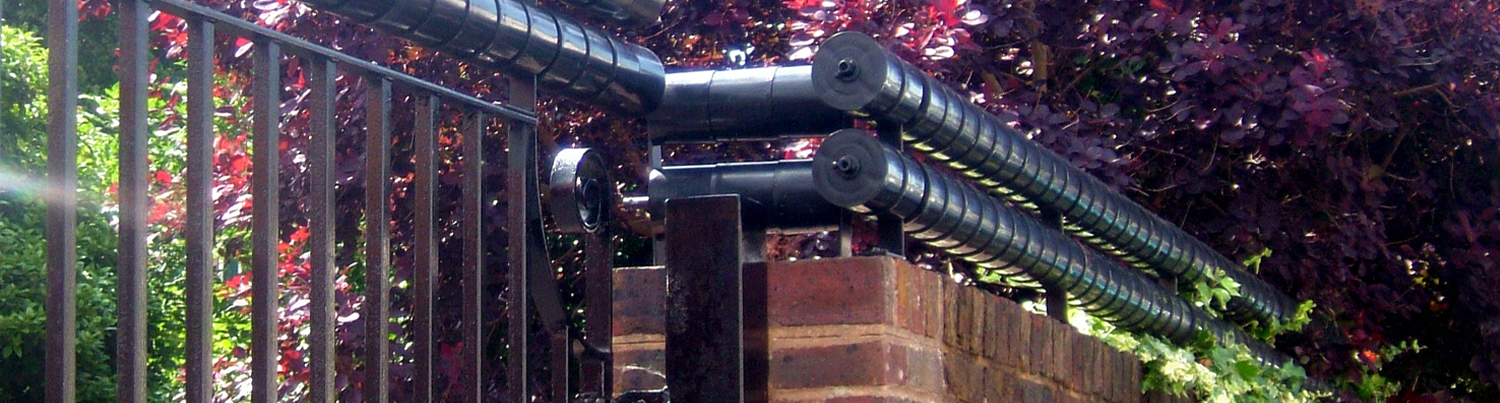
For some sites, secure mesh fencing and controlled gates will provide the necessary protection. Where climbing is a known risk, closer mesh apertures or additional anti-climb measures such as Roller Barrier can make the boundary much more difficult to scale without relying on spikes or sharp security toppings.
What should you consider when planning SEN school perimeter security?
A good starting point is to look at the entire perimeter rather than the fencing in isolation.
The Department for Education’s school and college security guidance recommends that security arrangements are based on a realistic assessment of the risks affecting an individual school. Its Good Estate Management for Schools guidance also advises schools to assess the risks of people entering or leaving the estate and to secure and control the perimeter accordingly.
For a SEN school, this means considering the safeguarding needs of pupils alongside the usual requirement to prevent unauthorised access.
When reviewing an existing perimeter, look at:
- the height and construction of the existing fencing
- whether the mesh or fence design provides usable handholds or footholds
- gaps beneath or between sections of fencing
- pedestrian and vehicle gates
- changes in ground level
- walls, roofs or buildings adjoining the boundary
- trees, bins, benches or storage areas that could provide climbing aids
- areas where pupils may be more likely to attempt to climb or leave the site
- visibility for staff supervising areas close to the perimeter
It is worth walking the boundary from both sides. A fence that appears difficult to climb from outside the school may look very different from the pupil side if there are objects, changes in level or structures nearby.
What type of fencing works best for SEN schools?
There is no single type of fencing that will be right for every SEN school. The specification should reflect the risks identified around the individual site.
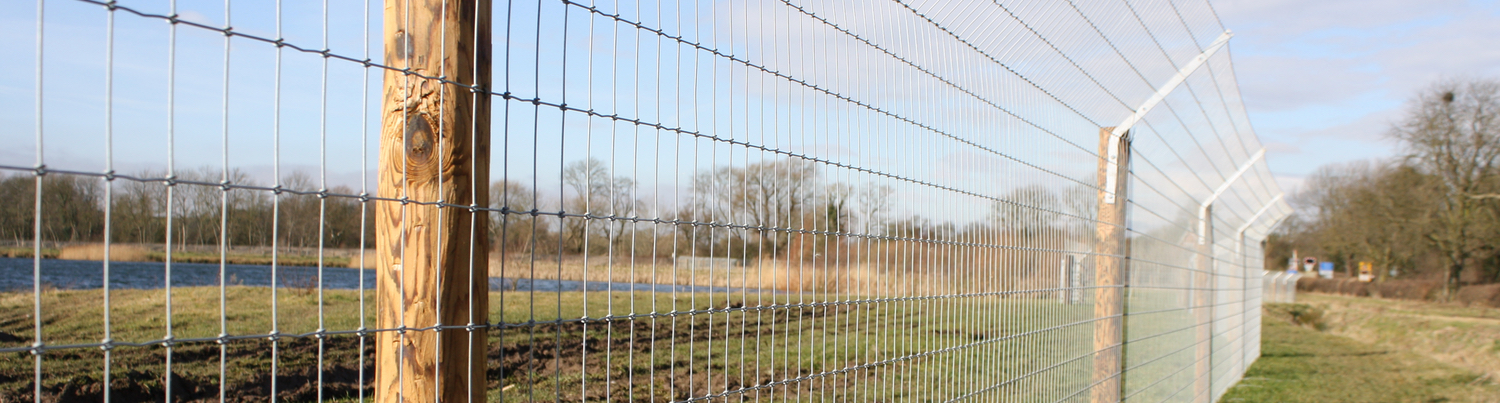
Welded mesh fencing is a practical option for many school environments because it creates a secure boundary while retaining visibility through the fence. This can help staff maintain sightlines across outdoor areas and avoids the enclosed appearance of a completely solid perimeter.
Where climbing is a particular concern, the mesh aperture becomes important. A fence may be tall, but if the construction provides easy handholds and footholds, height alone will not necessarily prevent someone from climbing it.
For areas requiring greater anti-climb protection, 358 mesh fencing has much smaller apertures that make it difficult to obtain a useful hand or foothold while still allowing visibility through the perimeter.
Installation should also be considered when specifying a new fence, particularly on existing school sites where access or space around the boundary may be restricted. Corden Perimeter Systems’ 358 fencing system is available with front-fixing posts, which can simplify installation where fencing needs to sit close to an existing boundary.
How can SEN schools prevent pupils from climbing perimeter fencing?
If climbing is a known safeguarding risk, the first step is to remove obvious climbing opportunities around the perimeter and choose fencing that is inherently difficult to scale.
The top of the boundary may then need additional consideration.
Traditional high-security toppings can include spikes, barbed wire and other aggressive deterrents. These may be appropriate for some security applications, but a school needs to consider the potential consequences if a child or young person attempts to climb the perimeter.
For a SEN setting, an anti-climb measure that does not depend on sharp points to deter climbing can provide a more appropriate alternative.
Why use Roller Barrier for SEN school fencing?
Roller Barrier is a non-aggressive anti-climb system designed to prevent someone from gaining the stable grip they need to pull themselves over a fence, gate or wall.
Instead of spikes or sharp edges, Roller Barrier uses independently rotating cups. When someone tries to grip the barrier, the cups rotate, making it difficult to maintain a handhold and continue climbing.
This makes it particularly useful where climbing needs to be prevented but an aggressive-looking or sharp security topping would be inappropriate.
For a SEN school, Roller Barrier can be considered for vulnerable areas of the perimeter where pupils attempting to climb is a known concern. Depending on the existing boundary and installation requirements, it can be fitted to suitable fencing, gates and walls, including existing perimeter structures.
This also means that improving anti-climb security does not always require the whole perimeter to be replaced. If the existing fencing remains suitable, additional protection may be needed only at particular sections or known climbing points.
Find out more about Roller Barrier from Corden Perimeter Systems.
How should gates and access points be secured at a SEN school?
Gates should be assessed at the same time as the fencing.
There is little benefit in installing a difficult-to-climb fence if a pedestrian or vehicle gate creates an easier route over or through the perimeter. Gate height, construction, locking arrangements and access control should therefore reflect the level of security required at that part of the site.
It is also important to look at the gate itself for potential footholds or climbing points and consider whether pupils can reach operating or locking mechanisms.
Where additional anti-climb protection is required, it should continue across vulnerable access points rather than stopping at the end of the fence line.
Busy drop-off and collection areas may need particular attention because pedestrian, vehicle and visitor access all need to be managed without compromising the secure boundary.
Should SEN school security fencing allow visibility?
Visibility can be an important consideration when specifying school perimeter fencing.
Mesh fencing allows a physical boundary to be created without completely blocking sightlines. For areas where pupils are using outdoor spaces close to the perimeter, this can help staff maintain visibility while still providing a secure boundary.
The surrounding landscaping should be considered too. Vegetation should not obscure important sightlines or provide an unintended climbing aid close to the fence.
There may, of course, be parts of a school where privacy requirements mean a different approach is needed. This is another reason why the same fencing specification does not necessarily need to be used around every part of a site.
Can an existing SEN school perimeter be made more secure?
Improving perimeter security does not automatically mean replacing every section of fencing.
Start by identifying where the current boundary is failing to provide the level of protection required. In some cases, the existing fence may still be suitable but gates, climbing aids or particular sections of the boundary need attention.
Other sites may benefit from replacing vulnerable sections with a more secure mesh system, such as 358 fencing, while retaining suitable fencing elsewhere.
Where the fence itself remains serviceable but climbing over the top is the main concern, adding Roller Barrier to appropriate sections of the existing perimeter may provide the additional anti-climb protection required.
This type of targeted approach allows the specification to respond to the actual risks around the school rather than automatically applying the highest-security option to the entire site.
Choosing perimeter fencing for a SEN school
SEN school perimeter security needs to do more than keep unauthorised people out. For some settings, preventing pupils from climbing or leaving the school grounds is an equally important part of the safeguarding requirement.
The most appropriate solution will depend on the individual site, but the complete perimeter should be considered: fencing, gates, access points, nearby climbing aids, visibility and any areas where additional anti-climb protection is needed.
Secure mesh fencing, including 358 mesh for areas requiring greater anti-climb protection, can provide a strong boundary while maintaining visibility. Where climbing remains a particular concern, Roller Barrier can provide an additional deterrent without relying on spikes or sharp security toppings.
Corden Perimeter Systems supplies mesh fencing, gates and anti-climb systems for schools and other sensitive environments. If you are reviewing an existing SEN school perimeter or specifying fencing for a new project, contact Corden Perimeter Systems to discuss the site requirements and suitable security options.